Maximize Impact: Best Volunteer Opportunities for Nonprofits
volunteer opportunities for nonprofits

Maximize Impact: Best Volunteer Opportunities for Nonprofits

Unlock the full potential of your mission by strategically engaging volunteers and transforming community support into tangible results.

Find Your Volunteer Strategy

Key Takeaways

  • ✓ Over 60 million Americans volunteer annually, contributing billions in service hours.
  • ✓ Volunteers can save nonprofits significant operational costs, often equating to paid staff hours.
  • ✓ Effective volunteer programs boost community engagement and public perception.
  • ✓ Retention of volunteers is a key challenge, requiring strategic engagement and recognition.

How It Works

1
Define Your Needs

Clearly identify the specific tasks, skills, and time commitments required for your projects. This clarity helps attract the right volunteers and sets expectations from the start.

2
Recruit Strategically

Utilize diverse channels such as online platforms, community partnerships, and social media to reach a broad audience. Tailor your messaging to highlight the impact volunteers can make.

3
Onboard & Train Effectively

Provide comprehensive orientation, training, and ongoing support to equip volunteers for their roles. A well-structured onboarding process ensures volunteers feel valued and prepared.

4
Engage & Retain

Foster a positive and appreciative environment, offering meaningful tasks, regular feedback, and recognition. Engaged volunteers are more likely to return and become long-term advocates for your cause.

Understanding the Landscape of Nonprofit Volunteer Opportunities

Two colleagues collaborate on design plans in a modern office setting. Focus on teamwork. Photo: RDNE Stock project / Pexels
In the United States, the spirit of giving back is deeply ingrained, and for nonprofits, volunteers are often the lifeblood that keeps their missions thriving. Understanding the diverse landscape of volunteer opportunities for nonprofits is the first crucial step toward building a robust and effective volunteer program. It's not just about finding 'warm bodies' to fill roles; it's about strategically identifying how individuals can best contribute their time, skills, and passion to further your cause. This involves a deep dive into your organization's specific needs, from administrative tasks and event support to specialized professional services like legal aid, marketing, or IT support. Many nonprofits often underestimate the breadth of skills available within their community. For instance, a small environmental group might desperately need help with social media management, a task perfectly suited for a tech-savvy college student or a marketing professional looking to give back. Similarly, a food bank could benefit immensely from volunteers with logistics experience to optimize their distribution routes. By conducting a thorough internal audit, identifying gaps in resources, and mapping these against potential volunteer skill sets, nonprofits can create highly targeted and appealing volunteer roles. This proactive approach transforms generic calls for help into specific, impactful opportunities that resonate with potential volunteers. Furthermore, the modern volunteer landscape is evolving. There's a growing demand for 'micro-volunteering' – short, impactful tasks that can be completed remotely or in brief bursts, appealing to busy professionals. Conversely, some volunteers seek immersive experiences, dedicating weeks or months to a specific project. Understanding these different volunteer motivations and preferences allows nonprofits to design a diverse portfolio of opportunities, ensuring accessibility for a wider range of potential contributors. The key is flexibility and creativity in defining what 'volunteering' looks like for your organization. Beyond direct service, volunteers can also play vital roles in fundraising, advocacy, governance (e.g., board membership), and even strategic planning. Engaging them in these higher-level capacities not only leverages valuable expertise but also fosters a deeper sense of ownership and commitment. Ultimately, recognizing the multifaceted nature of volunteer opportunities is about seeing volunteers not just as free labor, but as invaluable partners in achieving your nonprofit's mission. It's about building a symbiotic relationship where volunteers gain meaningful experiences, and your organization gains indispensable support and expanded capacity. This strategic perspective is fundamental to cultivating a thriving volunteer ecosystem.

Crafting Compelling Volunteer Roles and Recruitment Strategies

Group of diverse volunteers smiling while sorting clothes at a charity donation center. Photo: Julia M Cameron / Pexels
Once your nonprofit has a clear understanding of its needs, the next critical step is to craft compelling volunteer roles and implement effective recruitment strategies. Simply posting a generic 'volunteers wanted' sign will likely yield limited results. Instead, think like a recruiter. What makes a role attractive? What impact will the volunteer have? How will their skills be utilized? Each volunteer opportunity should be clearly defined with a descriptive title, a concise summary of responsibilities, the required skills or experience, the time commitment, and most importantly, the tangible impact the volunteer will make. For example, instead of 'Office Assistant,' consider 'Community Outreach Coordinator' if the role involves engaging with the public, or 'Data Entry Specialist' if precision and organization are key. Highlighting the 'why' behind the role is paramount; volunteers are driven by purpose, not just tasks. Recruitment channels must be diversified to reach a broad and relevant audience. Traditional methods like community bulletin boards and local newspapers still have their place, especially for reaching older demographics. However, modern recruitment heavily relies on digital platforms. Websites like VolunteerMatch, Idealist, and Points of Light are excellent national resources for posting opportunities. Local United Way chapters often maintain volunteer databases and can connect you with individuals in your area. Social media platforms, particularly Facebook groups centered around community service or specific professional skills, can also be highly effective. LinkedIn, too, can be a powerful tool for recruiting skilled professionals for pro bono work. Don't overlook college and university career services departments, which can connect you with students seeking internships or service-learning opportunities. Partnerships with local businesses can also be fruitful, as many companies encourage employee volunteering as part of their corporate social responsibility initiatives. When crafting your recruitment message, focus on storytelling. Share testimonials from current volunteers about their experiences and the difference they feel they are making. Use evocative language that paints a picture of the positive change your organization facilitates. Emphasize the benefits to the volunteer, such as gaining new skills, expanding their professional network, or simply the satisfaction of contributing to a worthy cause. Remember, volunteers are investing their most valuable resource – their time – so make it clear that their contribution is respected, valued, and will lead to meaningful outcomes. A well-designed recruitment strategy doesn't just fill positions; it builds a community of dedicated supporters around your nonprofit.

Effective Volunteer Management: Onboarding, Engagement, and Retention
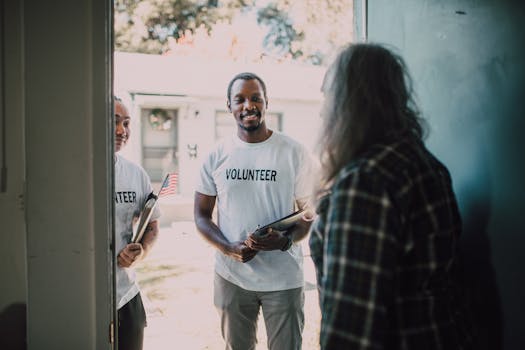
Two diverse volunteers, holding documents, visit a home to offer community support and services. Photo: RDNE Stock project / Pexels
Recruiting volunteers is only half the battle; effective management, encompassing onboarding, ongoing engagement, and strategic retention, is what truly builds a sustainable volunteer program. A poorly managed volunteer experience can quickly lead to burnout, disengagement, and high turnover, undermining all efforts in recruitment. The onboarding process is crucial. It should be more than just filling out paperwork; it's the volunteer's first deep dive into your organization's culture and mission. A comprehensive orientation should cover the nonprofit's history, values, mission, and current programs. Clearly outline policies, safety procedures, and expectations for conduct. Introduce new volunteers to key staff members and, if possible, pair them with an experienced volunteer mentor. Provide thorough training for their specific roles, ensuring they feel confident and competent. This initial investment in training pays dividends in volunteer satisfaction and performance. Ongoing engagement is about keeping volunteers motivated and connected. This means providing meaningful work that aligns with their skills and interests, offering regular feedback, and creating opportunities for growth and learning. Don't be afraid to solicit feedback from volunteers themselves; their insights can be invaluable for improving programs and identifying new opportunities. Regular check-ins, team meetings, and even social events can foster a sense of community and belonging. Recognize that volunteers may have varying availability and preferences, so offer flexible scheduling and diverse task options where possible. Retention strategies are built upon a foundation of strong engagement and appreciation. Recognition is paramount. This doesn't always mean grand awards ceremonies; sometimes, a simple 'thank you' in person, a personalized email, or a shout-out in a newsletter can go a long way. Highlight volunteer achievements and stories on your website and social media. Consider implementing a tiered recognition program for long-term volunteers or those who contribute significantly. Provide opportunities for advancement, such as taking on leadership roles or mentoring new volunteers. Address any concerns or challenges promptly and constructively. A supportive and communicative environment demonstrates that your organization values its volunteers as much as its paid staff. By prioritizing effective volunteer management, nonprofits can cultivate a loyal, skilled, and passionate volunteer base that becomes an indispensable asset in achieving their mission and amplifying their impact in the community. Invest in your volunteers, and they will invest in you.

Leveraging Technology and Avoiding Common Volunteer Program Mistakes

Dedicated volunteers sorting donation boxes indoors for community support. Photo: Gustavo Fring / Pexels
In today's digital age, leveraging technology is no longer a luxury but a necessity for optimizing volunteer opportunities for nonprofits. Volunteer management software (VMS) can streamline everything from recruitment and scheduling to communication, tracking hours, and reporting. Platforms like Volgistics, SignUpGenius, or even integrated CRM systems often have volunteer management modules that can significantly reduce administrative burden, allowing staff to focus more on engagement and less on paperwork. These tools can automate reminder emails, simplify sign-ups for events, track volunteer impact, and even facilitate internal communication among volunteers. Beyond dedicated VMS, general communication tools like Slack or dedicated Facebook groups can foster real-time interaction and a sense of community. Virtual volunteering has also opened up new avenues, allowing nonprofits to tap into a global talent pool for tasks that can be completed remotely, such as graphic design, grant writing, or data analysis. However, even with the best intentions and technology, common mistakes can derail a volunteer program. One of the most prevalent is a lack of clear communication regarding roles and expectations. Volunteers need to know exactly what they are signing up for and what is expected of them. Another significant error is failing to provide adequate training and support. Throwing volunteers into complex tasks without proper guidance leads to frustration and disengagement. Over-reliance on a few dedicated individuals without distributing the workload or developing new leaders can also lead to burnout. Perhaps the most damaging mistake is failing to appreciate and recognize volunteers. Their time is a gift, and acknowledgment, however small, is crucial for retention. Finally, neglecting to solicit and act on volunteer feedback can lead to missed opportunities for improvement and a sense that their opinions don't matter. By proactively addressing these pitfalls and strategically integrating technology, nonprofits can build resilient, impactful, and thriving volunteer programs that truly maximize their community's generosity. **Common Volunteer Program Mistakes to Avoid:** * Lack of clear role descriptions and expectations. * Insufficient training and onboarding. * Poor communication with volunteers. * Failing to recognize and appreciate volunteer contributions. * Not providing meaningful or challenging tasks. * Overburdening a small group of volunteers. * Ignoring volunteer feedback and suggestions. * Inadequate safety protocols or support. * Treating volunteers as 'free labor' rather than valued partners. * Not measuring or communicating volunteer impact.

Comparison

FeatureDedicated VMS (e.g., Volgistics)General CRM (e.g., Salesforce NFP Cloud)Manual/Spreadsheet Management
Volunteer RecruitmentExcellent (integrates postings)Good (can track leads)Basic (manual outreach)
Scheduling & Shift ManagementExcellent (automated, self-service)Fair (requires customization)Poor (time-consuming, error-prone)
Volunteer CommunicationExcellent (mass emails, portals)Good (segmented emails)Basic (individual emails/calls)
Impact Tracking & ReportingExcellent (customizable reports)Good (requires setup)Poor (manual calculation)
Cost-EffectivenessModerate to High (subscription)Moderate (free for NFP, setup cost)Low (staff time is cost)
Scalability
Integration with other systemsSomeExcellentNone
Ease of Use for VolunteersGenerally HighVaries (staff-facing)Low (manual sign-ups)

What Readers Say

"Our nonprofit struggled with volunteer retention until we revamped our onboarding process. The clarity in roles and consistent communication, as suggested here, made a huge difference. Our volunteers now feel truly valued and engaged."

Sarah Chen · Austin, TX

"This article provided practical strategies for attracting skilled volunteers. We implemented the idea of showcasing volunteer impact, and saw a noticeable increase in applications from professionals seeking pro bono work."

Mark Johnson · Seattle, WA

"The insights on leveraging technology for volunteer management were a game-changer for our small organization. We adopted a VMS, which reduced administrative hours by 30% and improved volunteer satisfaction significantly."

Maria Rodriguez · Miami, FL

"While most of the advice was excellent, I wish there was a bit more emphasis on managing intergenerational volunteer teams. We have a wide age range, and sometimes their communication styles clash. Still, a very helpful resource overall."

David Lee · Denver, CO

"As a new nonprofit director, understanding the full spectrum of volunteer opportunities for nonprofits was crucial. This guide laid out a clear roadmap from identifying needs to long-term engagement, making our initial program setup much smoother."

Emily White · Boston, MA

Frequently Asked Questions

What are the most effective ways for nonprofits to find volunteers?

The most effective ways include leveraging online platforms like VolunteerMatch and Idealist, partnering with local community groups and businesses, engaging educational institutions, and utilizing social media. Clearly defining roles and showcasing the impact volunteers make are also crucial for attracting the right people.

How can a small nonprofit with limited resources manage a large volunteer base?

Small nonprofits can manage a large volunteer base by investing in affordable volunteer management software, delegating leadership roles to experienced volunteers, creating clear organizational structures, and focusing on efficient communication strategies. Prioritizing essential tasks and providing self-service options for volunteers can also help.

What is the best way to onboard and train new volunteers?

The best way is to provide a comprehensive orientation covering your mission and values, clear role-specific training, and introductions to key staff and fellow volunteers. Assigning a mentor, offering clear guidelines, and ensuring safety protocols are understood also contribute to a successful onboarding experience.

Is it worth investing in volunteer management software for a nonprofit?

Yes, for most nonprofits, investing in volunteer management software is highly worthwhile. It automates recruitment, scheduling, communication, and tracking, saving significant administrative time and improving overall volunteer satisfaction and retention. The efficiency gains often outweigh the subscription costs.

How do virtual volunteer opportunities compare to in-person roles?

Virtual volunteer opportunities offer flexibility and access to a wider talent pool, often for specialized skills like graphic design or grant writing. In-person roles typically foster stronger team cohesion and are essential for direct service tasks. Both have unique benefits and can complement each other to expand a nonprofit's capacity.

Who should oversee volunteer opportunities for nonprofits?

Ideally, a dedicated Volunteer Coordinator or Manager should oversee volunteer opportunities for nonprofits. In smaller organizations, this role might fall to a program manager or even the executive director. This individual is responsible for recruitment, onboarding, training, engagement, and retention of volunteers.

What are the legal considerations when engaging volunteers?

Legal considerations include ensuring proper background checks for certain roles (especially with vulnerable populations), having liability insurance that covers volunteers, adhering to non-discrimination laws, and clearly distinguishing volunteers from employees to avoid wage and hour disputes. Consulting legal counsel familiar with nonprofit law is advisable.

How will volunteer opportunities for nonprofits evolve in the next 5-10 years?

Volunteer opportunities for nonprofits are likely to become even more diverse, with increased emphasis on micro-volunteering, skills-based pro bono work, and virtual engagements. AI and technology will play a larger role in matching volunteers to needs, and nonprofits will focus more on creating personalized, impactful experiences to attract and retain volunteers.

Ready to transform your nonprofit's impact? Explore the vast potential of strategic volunteer engagement. By implementing these expert strategies, you can attract, empower, and retain dedicated volunteers, amplifying your mission and creating lasting change in your community.

Topics: volunteer opportunities for nonprofitsnonprofit volunteer managementattracting volunteersvolunteer engagement strategiesnonprofit impact
Leo List
Brampton weed
Adultwork