Venice Car Rental: Is it Practical for Your Trip?
Venice car rental

Venice Car Rental: Is it Practical for Your Trip?

Uncover the truth about driving and parking in Venice to make informed travel decisions for your Italian journey.

Plan Your Venice Trip

Key Takeaways

  • ✓ Venice's historic center is entirely car-free, relying on canals and pedestrian pathways.
  • ✓ Parking near Venice is expensive and limited, primarily located at Piazzale Roma or Tronchetto.
  • ✓ Renting a car can be beneficial for exploring regions outside Venice, like the Dolomites or Tuscany.
  • ✓ Public transport (Vaporetto, trains) is highly efficient for navigating Venice and its surrounding areas.

How It Works

1
Evaluate Your Itinerary

Determine if your trip focuses solely on Venice or includes wider Italian exploration. This dictates the necessity of a rental car.

2
Understand Venice's Geography

Recognize that Venice's main island is inaccessible by car. All vehicles must be parked on the mainland or at designated entry points.

3
Assess Parking Options and Costs

Research parking facilities like Piazzale Roma, Tronchetto, or Mestre. Factor in the significant daily parking fees into your budget.

4
Compare Transport Alternatives

Weigh the convenience and cost of a rental car against Venice's extensive public transport network, including water buses (vaporetti) and trains.

The Unique Challenge of Driving in Venice: What You Need to Know
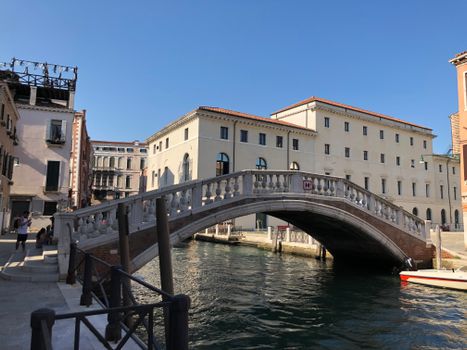
Scenic view of a historic bridge over a canal in Venice, Italy on a sunny day. Photo: Inna Million / Pexels
Venice, the 'Floating City,' presents a unique paradox for travelers considering a car rental. Unlike most European cities where a car offers freedom and flexibility, Venice's historic heart is an intricate labyrinth of canals, bridges, and narrow pedestrian alleyways, entirely devoid of roads. This fundamental characteristic means that a traditional car rental for navigating within Venice itself is not just impractical, but impossible. Understanding this core truth is the first step in planning your visit. When we talk about 'Venice car rental,' we are not discussing driving through St. Mark's Square, but rather the logistics of bringing a vehicle to the city's periphery. The city's main access points for vehicles are Piazzale Roma and the artificial island of Tronchetto. These areas serve as the absolute furthest points you can drive a car. Beyond these, you transition entirely to water transport – vaporetti (water buses), water taxis, or the quintessential gondola – and, of course, your own two feet. This car-free environment is a significant part of Venice's charm and historical preservation, offering an unparalleled pedestrian experience. However, it also demands a different approach to travel planning, especially if you're accustomed to the convenience of a personal vehicle. The decision to rent a car for a trip that includes Venice, therefore, hinges entirely on your broader itinerary. If your travel plans are confined solely to the main islands of Venice, then renting a car would be an unnecessary expense and a logistical burden. Your time and money would be far better spent on local transportation passes or even a private water taxi for a special occasion. For those planning to explore the wider Veneto region, or even embark on a multi-city Italian adventure, the calculus changes significantly. The utility of a car becomes apparent when considering day trips to charming towns like Verona, Padua, or the stunning Dolomites, which are less accessible by direct public transport from Venice. However, even in these scenarios, the car's role is typically to get you to a train station or bus depot outside Venice, from which you'd then commute into the city. Weighing these factors carefully is crucial to avoid unexpected costs and frustrations, ensuring your Venetian experience is as seamless and enjoyable as possible. Understanding the geographical limitations and the city's commitment to its unique car-free heritage will guide your decisions effectively. Remember, Venice is designed for exploration by foot and by water, offering an experience that no car can replicate. For deeper insights into sustainable travel practices in unique destinations, consider visiting this resource on eco-tourism.

Parking Perils: Costs, Locations, and Alternatives to Bringing a Car

Once you accept that driving *into* Venice is impossible, the next consideration for those with a rental car is where to park it. This is where the practicalities often hit a significant roadblock, both literally and financially. The primary parking options available to visitors are located at Piazzale Roma, the very end of the Ponte della Libertà (the bridge connecting Venice to the mainland), and on Tronchetto Island, a larger parking facility accessible via a separate road. There's also parking available in Mestre, the mainland city adjacent to Venice, often at more competitive rates, from where you can take a short train or bus ride over the bridge. The costs associated with parking near Venice are notoriously high. Daily rates at Piazzale Roma and Tronchetto can range from €25 to €40 or more, depending on the season and duration. These are secure, multi-story car parks, but the price tag can quickly add up, easily surpassing the cost of a day's public transport within Venice. Furthermore, spaces, especially at Piazzale Roma, can be limited, particularly during peak tourist season. Imagine arriving after a long drive, only to find all lots full, forcing you to backtrack to Mestre or further. This can be a stressful and time-consuming start to your Venetian adventure. Given these challenges, exploring alternatives to bringing a car to Venice becomes paramount. Venice boasts an excellent public transportation network. The Vaporetto, or water bus, is the city's primary mode of public transit, offering routes that crisscross the Grand Canal and connect to various islands like Murano, Burano, and Lido. A multi-day Vaporetto pass can be a highly cost-effective and convenient way to explore the city and its lagoon. For those arriving by train, Venice Santa Lucia station is directly on the main island, eliminating any need for a car. High-speed trains connect Venice to major Italian cities like Rome, Florence, and Milan, often making train travel a faster and more relaxing option than driving, especially when factoring in traffic, tolls, and parking. For travelers flying into Marco Polo Airport (VCE), direct bus services and water taxis connect the airport to Piazzale Roma and various points within Venice. Even from Treviso Airport (TSF), shuttle buses provide direct links. Opting for these public transport solutions not only saves money on parking and fuel but also eliminates the stress of navigating unfamiliar Italian roads, dealing with ZTLs (Limited Traffic Zones), and finding parking. It allows you to immediately immerse yourself in the unique atmosphere of Venice without the baggage of a car. Prioritizing efficient and Venice-appropriate transport will enhance your overall experience. For tips on navigating public transport in foreign cities, explore this travel guide.

For more options, check out Noleggio auto in Italia.

When a Car Rental Makes Sense: Beyond the Canals of Venice

While a car rental is unequivocally impractical for navigating Venice itself, there are specific travel scenarios where having a vehicle can significantly enhance your Italian experience. The key lies in understanding that the car serves as a tool for exploring regions *around* Venice, not within it. If your itinerary extends beyond the Venetian lagoon to embrace the diverse landscapes and cultural treasures of the Veneto region or even further afield into Italy, then a car rental can transform your trip. Consider, for instance, the allure of the Dolomites. These majestic mountains, a UNESCO World Heritage site, are best explored with the flexibility a car provides. You can drive scenic routes, stop at charming mountain villages like Cortina d'Ampezzo, embark on breathtaking hikes, and visit glacial lakes at your own pace. Public transport to truly explore the breadth of the Dolomites can be challenging and time-consuming, often requiring multiple transfers. Similarly, if you dream of a road trip through the Prosecco Hills, tasting local wines and enjoying rolling vineyards, a car is almost essential. The small, picturesque towns and wineries are often off the main public transport routes, making self-driving the most efficient and enjoyable way to experience this region. Beyond Veneto, a car becomes invaluable for exploring regions like Tuscany or Umbria, known for their hilltop towns, sprawling countryside, and agriturismo stays. While trains connect major cities, accessing the more idyllic, rural areas and smaller towns often requires a car. Imagine spontaneously stopping at a local market, discovering a hidden trattoria, or pulling over for a panoramic view – these are experiences best facilitated by personal transport. For those planning a multi-city Italian adventure, starting in Venice, then heading to Florence, Rome, or other destinations, a car offers door-to-door convenience for luggage and flexibility in scheduling. You can pick up your rental car *after* your Venice stay (perhaps at Piazzale Roma or Mestre) and then drive to your next destination. This avoids the hassle of train transfers with heavy luggage and allows for scenic detours along the way. However, it's crucial to factor in Italian driving nuances: navigating ZTLs (Limited Traffic Zones) in historic city centers, understanding Italian road signs, and being prepared for tolls on autostrade (motorways). Thorough planning and GPS navigation are your best friends in these scenarios. Ultimately, a Venice car rental is practical when it serves as a gateway to Italy's broader beauty, making your journey richer and more personalized, provided you manage its use wisely around the car-free city itself. For more advice on responsible tourism and navigating cultural nuances, see this guide to respectful travel.

Smart Strategies: Tips for Combining a Car Rental with a Venice Visit

Successfully integrating a car rental into a trip that includes Venice requires strategic planning to maximize its benefits while minimizing its drawbacks. The core principle is to use the car for regional exploration and then park it effectively when you're in Venice. Here are some smart strategies: * **Park in Mestre:** Instead of the more expensive and often crowded Piazzale Roma or Tronchetto, consider parking your rental car in Mestre. Mestre offers numerous parking garages, often at significantly lower daily rates. From Mestre, you can easily catch a train or bus across the Ponte della Libertà to Venice's Piazzale Roma or Santa Lucia train station in just 10-15 minutes. This is often the most cost-effective and least stressful option for car storage during your Venice stay. * **Rent for Specific Legs of Your Trip:** If your itinerary starts or ends in Venice but includes a road trip portion elsewhere, consider renting a car only for those specific days. For example, if you arrive in Venice, spend 3-4 days exploring, then plan to drive to Tuscany, pick up your rental car from Piazzale Roma or Mestre on the day you depart Venice. Similarly, if you're returning the car after a road trip, drop it off in Mestre or at the airport before heading into Venice. This avoids unnecessary daily parking charges. * **Utilize Public Transport for Venice Exploration:** While your car is parked, fully embrace Venice's public transport system. Purchase a multi-day Vaporetto pass (ACTV Tourist Travel Card) upon arrival. This pass offers unlimited travel on water buses and mainland buses, making it incredibly economical and convenient for exploring the main islands, the Lido, and other lagoon islands like Murano and Burano. Walking is also a quintessential Venetian experience, allowing you to discover hidden gems that even the Vaporetto can't reach. * **Be Aware of ZTLs:** If you do drive in other Italian cities, be extremely cautious of Zona a Traffico Limitato (ZTLs) or Limited Traffic Zones. These are areas in historic city centers where vehicle access is restricted, usually to residents or authorized vehicles. Fines for entering a ZTL without permission are steep and often arrive months later by mail. Always look for the ZTL signs and understand where they apply. Parking outside these zones and walking or using local public transport is always the safest bet. * **Consider Car Sharing/Ride-Hailing for Short Trips:** For very short excursions outside Venice where a full rental car isn't justified, consider local car-sharing services or ride-hailing apps if available and suitable for your needs. However, for true regional exploration, a dedicated rental car typically offers more flexibility. By following these strategies, you can enjoy the best of both worlds: the car-free magic of Venice and the freedom of exploring the wider Italian landscape by road.

Comparison

FeatureCar Rental (for outside Venice)Vaporetto/Public TransportWater Taxi (Private)
Access to Venice CenterPark outside, then transferDirectly into centerDirectly into center (door-to-door)
Cost (daily)High (parking + rental)Low (pass)Very High
Flexibility (regional)HighLowLow
Luggage HandlingEasy (in car)Moderate (on public transport)Easy (porter service)
Speed (within Venice)Not applicableModerate (stops)Fastest (direct)
Stress LevelHigh (parking, ZTLs)LowLow (convenience)
Environmental ImpactHigherLowerModerate

What Readers Say

"We initially thought about a Venice car rental but quickly realized it was impractical. Parking in Mestre and taking the train was seamless and saved us a lot of money and stress. Best decision for our Venice portion!"

Eleanor Vance · Seattle, WA

"Our trip included the Dolomites and Tuscany, so a car rental was essential. We parked at Tronchetto for our Venice stay, which was expensive but worth it for the regional flexibility. You absolutely cannot drive in Venice, though."

Marcus Chen · Austin, TX

"After reading up on Venice car rental, we decided against it entirely. We flew into Marco Polo, took a bus to Piazzale Roma, and relied on Vaporettos. It was incredibly easy and allowed us to truly relax and enjoy the city."

Sophia Rodriguez · Miami, FL

"Having a car was great for our day trips from Venice, but the parking costs were a shock. Next time, I'd definitely look into parking further out in Mestre or only renting the car for the specific driving days."

David O'Connell · Boston, MA

"As an experienced traveler, I knew not to rent a car for Venice itself. We used trains for intercity travel and Vaporettos within Venice. This approach was efficient, economical, and allowed us to fully embrace the car-free experience."

Lena Petrova · Chicago, IL

Frequently Asked Questions

Can you drive a car into Venice's historic center?

No, Venice's historic center is entirely car-free. Vehicles can only reach Piazzale Roma or Tronchetto, which are the furthest points accessible by car. From there, you must switch to walking or water transportation.

Where can I park my rental car if I visit Venice?

You can park your rental car at designated parking garages in Piazzale Roma or Tronchetto, both located at the entrance to Venice. Alternatively, parking in Mestre (the mainland city) and taking a short train or bus ride to Venice is often a more affordable option.

How do I get around Venice without a car?

Within Venice, you primarily get around by walking, using the Vaporetto (water bus) system, or by private water taxi. Gondolas are also available for sightseeing. A multi-day Vaporetto pass is highly recommended for efficient travel.

Is it expensive to park near Venice?

Yes, parking near Venice is notoriously expensive. Daily rates at Piazzale Roma and Tronchetto can range from €25 to €40 or more, especially during peak season. Parking in Mestre is generally cheaper.

Should I rent a car for an Italy trip that includes Venice?

A car rental is practical if your trip includes extensive exploration of regions outside Venice, such as the Dolomites, Tuscany, or other Italian countryside towns. For a trip focused solely on Venice, a car is unnecessary and impractical.

Who should consider a Venice car rental?

Travelers planning a multi-region Italian itinerary that involves exploring rural areas, small towns, or less accessible natural sites beyond Venice should consider a car rental, picking it up after their Venice stay or parking it in Mestre during their Venice visit.

Are there any risks to driving a rental car in Italy?

Key risks include navigating unfamiliar roads, understanding Italian road signs, dealing with ZTLs (Limited Traffic Zones) in historic city centers which incur heavy fines, and paying tolls on motorways. It requires careful planning and attention.

Will car rental practicality in Venice change in the future?

Given Venice's unique geography and commitment to preserving its car-free historic center, it's highly unlikely that the practicality of driving a car into Venice itself will change. The city's transport infrastructure is built around water and pedestrian movement.

Deciding on Venice car rental requires careful consideration of your entire itinerary. While impractical for Venice itself, a car can be invaluable for exploring the surrounding Italian regions. Plan wisely, utilize public transport within the city, and ensure your Venetian adventure is as smooth and enjoyable as possible.

Topics: Venice car rentaltraveling to VeniceVenice transportationdriving in ItalyVenice parking
Leo List
Brampton weed
Adultwork