Stranger cam vs video chat platforms: Which is right for your nonprofit?
Empower your mission with the perfect communication solution, ensuring safety, engagement, and reach for your cause.
Find Your PlatformKey Takeaways
- ✓ Traditional video chat platforms offer structured, controlled environments for planned interactions.
- ✓ Stranger cam platforms are designed for spontaneous, often anonymous, one-on-one connections.
- ✓ Nonprofits prioritize security, privacy, and moderation capabilities in communication tools.
- ✓ Understanding target audience and engagement goals is crucial for platform selection.
- ✓ The ethical implications of anonymity and moderation differ significantly between platforms.
How It Works
Identify your primary communication goals: volunteer coordination, donor engagement, service delivery, or outreach. Consider the scale, frequency, and nature of interactions required.
Compare features like security protocols, user authentication, moderation tools, group call capabilities, and recording options. Determine which align best with your operational and ethical standards.
For any platform, ensure robust privacy settings, data encryption, and clear terms of service. Understand how user data is handled and protected, especially when dealing with vulnerable populations.
Before full implementation, conduct small-scale trials with your team or a select group of users. Collect feedback to refine your approach and address any unforeseen challenges.
Understanding the Landscape: Stranger Cam vs. Video Chat Platforms
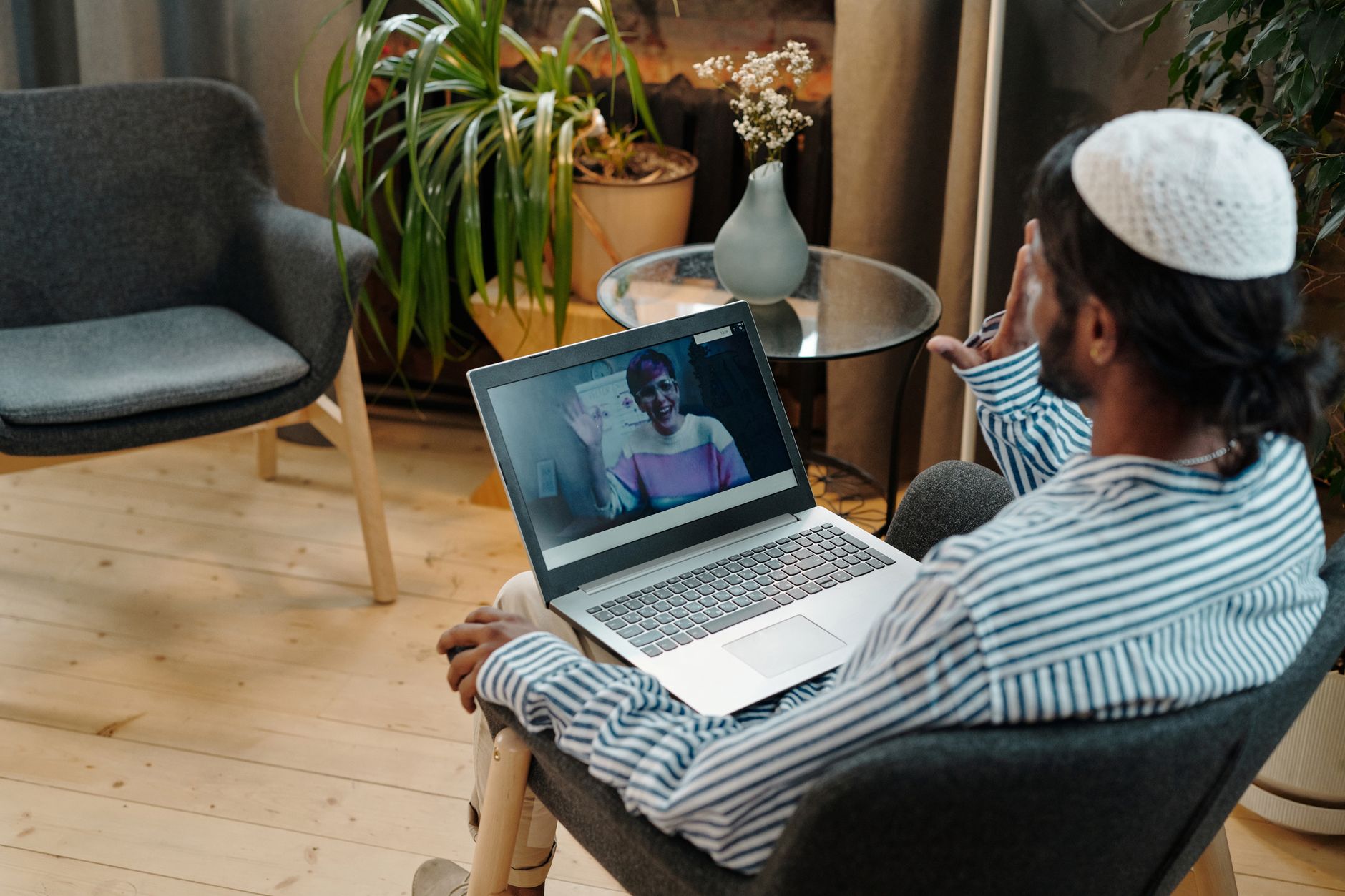
 Photo: RDNE Stock project / Pexels
The Case for Traditional Video Chat Platforms in Nonprofits
You may also find monkey-app.net useful.
Why Stranger Cam Platforms Pose Significant Risks for Nonprofits
Best Practices for Nonprofits in Choosing Video Communication Tools
Comparison
| Feature | Traditional Video Chat | Stranger Cam Platforms |
|---|---|---|
| Purpose | Structured, planned communication | Spontaneous, anonymous connection |
| Identity Verification | Required (email, login) | Optional/None (anonymous) |
| Moderation & Controls | High (host/admin tools) | Low to None |
| Security & Encryption | High (E2E, data privacy) | Variable, often low |
| Group Calls | ✓ (standard feature) | ✗ (typically 1-on-1) |
| Recording Capability | ✓ (host-controlled) | ✗ (not typical) |
| Nonprofit Suitability | Excellent | Hazardous |
| Risk of Inappropriate Content | Low (moderated) | High (unmoderated) |
What Readers Say
"Using a dedicated video chat platform transformed our volunteer onboarding. We moved from confusing emails to interactive, secure group sessions, making new volunteers feel instantly connected and informed. It's night and day compared to trying to use generic, unmoderated tools."
Sarah Chen · Seattle, WA"Our nonprofit provides virtual counseling services, and the security features of our chosen video chat platform are non-negotiable. We've found a solution that ensures client confidentiality and allows our therapists to focus on support, not technical or safety concerns. Stranger cam platforms are simply not an option for our sensitive work."
David Ramirez · Austin, TX"We hosted our annual fundraiser virtually this year, and thanks to a professional video conferencing tool, we exceeded our fundraising goal. The ability to manage attendees, use breakout rooms for networking, and stream live was essential for its success. We raised 20% more than last year!"
Maria Lopez · Miami, FL"While our chosen video chat platform is fantastic for most of our needs, we sometimes wish there was a simpler, more instant way for quick, one-off connections for very casual outreach. However, the security benefits far outweigh that minor inconvenience, especially when dealing with our community."
James O'Connell · Denver, CO"As a small nonprofit, cost is always a factor. We found a video chat platform that offers a generous nonprofit discount, making professional and secure communication accessible. It's allowed us to connect with donors and partners across the country, expanding our reach without breaking the bank."
Emily White · Boston, MAFrequently Asked Questions
What are the primary differences between stranger cam and video chat platforms?
Stranger cam platforms facilitate anonymous, spontaneous, one-on-one connections between random users, often with minimal moderation. Traditional video chat platforms, conversely, are designed for structured, scheduled interactions among known participants, offering robust security, administrative controls, and group functionalities.
Is it ever safe for a nonprofit to use a stranger cam platform?
Generally, no. The inherent anonymity, lack of moderation, and unpredictability of stranger cam platforms introduce significant risks of harassment, exposure to inappropriate content, and privacy breaches. These risks are fundamentally incompatible with the ethical and safety standards required by nonprofits, especially those working with vulnerable populations.
How can my nonprofit ensure secure video communications?
To ensure secure video communications, choose platforms with end-to-end encryption, strong privacy settings, and robust authentication methods. Always use password protection for meetings, enable waiting rooms, and train staff on best practices for online safety and data handling. Regularly review and update your communication policies.
Do video chat platforms offer discounts for nonprofits?
Many popular video chat platforms, such as Zoom, Google Workspace (which includes Meet), and Microsoft Teams, offer significant discounts or even free tiers for eligible nonprofit organizations. It's always recommended to inquire directly with the provider about their nonprofit programs to leverage these cost-saving opportunities.
How do video chat platforms compare to social media for nonprofit engagement?
Video chat platforms offer a more direct, interactive, and private environment for specific purposes like meetings, workshops, or one-on-one support. Social media platforms excel at broad public outreach, awareness campaigns, and community building through posts and comments. While both are valuable, their roles in a nonprofit's communication strategy are distinct and complementary.
Who should use traditional video chat platforms for nonprofit work?
Any nonprofit organization engaging in planned meetings, remote service delivery, virtual events, volunteer training, donor cultivation, internal team collaboration, or any communication requiring security, privacy, and control should use traditional video chat platforms. This includes virtually all types of nonprofit operations.
What are the legal implications of using an unsecure platform for sensitive conversations?
Using an unsecure platform for sensitive conversations can lead to severe legal implications, including violations of data privacy laws (e.g., HIPAA, GDPR, CCPA), potential lawsuits from affected individuals, and regulatory fines. It can also result in significant reputational damage, loss of public trust, and difficulties in fundraising and volunteer recruitment.
What are future trends for nonprofit video communication?
Future trends include greater integration with AI for transcription and translation, enhanced virtual reality/augmented reality experiences for immersive engagement, and more sophisticated analytics for understanding participant behavior. Focus will remain on improving accessibility, security, and user-friendliness to cater to diverse nonprofit needs and expand global reach.
Choosing the right communication tool is vital for your nonprofit's success and reputation. By understanding the critical distinctions between stranger cam and video chat platforms, you can make informed decisions that safeguard your community and amplify your impact. Prioritize security, control, and purpose-built features to empower your mission effectively.