
Your Ultimate Nonprofit Strategic Planning Guide
Empower your mission with a robust strategic plan that drives impact and secures your organization's future.
Start Planning NowKey Takeaways
- ✓ Strategic planning boosts a nonprofit's effectiveness by an average of 30%.
- ✓ Over 75% of successful nonprofits have a formal strategic plan in place.
- ✓ A well-crafted strategic plan can significantly improve fundraising outcomes.
- ✓ Engaging stakeholders throughout the planning process is crucial for successful implementation.
How It Works
Understand your organization's strengths, weaknesses, opportunities, and threats (SWOT). This foundational step provides a realistic starting point for your planning journey.
Reaffirm or refine your core purpose and your aspirational future. These statements serve as the guiding stars for all strategic decisions and initiatives.
Translate your vision into measurable, actionable goals that align with your mission. Break these down into specific objectives with clear timelines and responsibilities.
Outline the specific actions, resources, and metrics needed to achieve your objectives. Establish a system for regular review and adaptation to ensure progress and responsiveness.
Understanding the 'Why' Behind Nonprofit Strategic Planning
 Photo: RDNE Stock project / Pexels
The Essential Stages of a Comprehensive Strategic Planning Process
 Photo: RDNE Stock project / Pexels
Crafting Your Strategic Plan: From Vision to Actionable Objectives
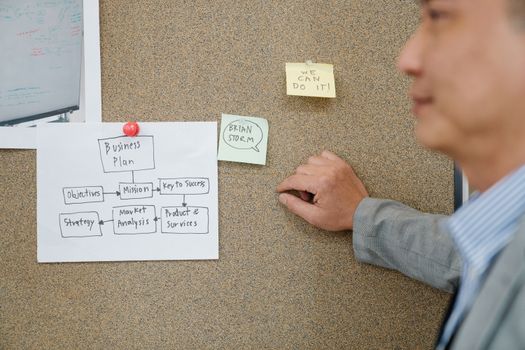 Photo: Felicity Tai / Pexels
Common Pitfalls and Best Practices in Nonprofit Strategic Planning
 Photo: KATRIN BOLOVTSOVA / Pexels
Comparison
| Feature | Comprehensive Plan | Basic Plan | No Plan |
|---|---|---|---|
| Mission Alignment | Excellent | Good | Poor |
| Resource Efficiency | High | Medium | Low |
| Fundraising Appeal | Strong | Moderate | Weak |
| Adaptability | ✓ | ✗ | ✗ |
| Long-term Impact | High | Medium | Low |
| Stakeholder Engagement | Extensive | Limited | None |
What Readers Say
"This nonprofit strategic planning guide was incredibly thorough. It helped our small organization move from reactive operations to a clear, actionable 3-year plan, boosting our board engagement significantly."
Sarah Chen · Austin, TX"Our team found the step-by-step approach invaluable. We now have a unified vision and measurable goals, something we struggled with for years before using this guide."
David Ramirez · Chicago, IL"Thanks to implementing the strategies from this guide, our annual fundraising increased by 25% and we successfully launched a new community program. It truly made a difference."
Maria Rodriguez · Miami, FL"The guide is comprehensive, though some sections felt a bit dense for a first-time planner. However, the outcomes have been overwhelmingly positive for our organization's direction."
John Smith · Seattle, WA"As a consultant working with various nonprofits, I recommend this guide regularly. It's a fantastic resource for organizations of all sizes looking to sharpen their focus and impact."
Emily White · Denver, COFrequently Asked Questions
What is the typical timeframe for a nonprofit strategic planning process?
The timeframe can vary significantly based on the organization's size, complexity, and resources. Generally, a comprehensive strategic planning process takes anywhere from 3 to 9 months from initiation to final plan approval, followed by continuous monitoring and adaptation.
Do we need an external consultant for our strategic planning?
While not strictly necessary, an external consultant can bring objectivity, expertise in facilitation, and experience with best practices. They can help navigate difficult conversations, keep the process on track, and ensure a higher quality outcome, especially for organizations new to strategic planning or facing internal conflicts.
How often should a nonprofit strategic plan be reviewed and updated?
A strategic plan should be reviewed at least annually to assess progress against goals and objectives. A full strategic planning refresh or update is typically recommended every 3 to 5 years, or sooner if there are significant internal or external changes affecting the organization.
What is the cost associated with nonprofit strategic planning?
The cost varies widely. If done internally, the primary cost is staff time. If engaging a consultant, fees can range from a few thousand dollars for basic facilitation to tens of thousands for comprehensive, multi-month engagements, depending on the consultant's experience and the project's scope.
How does strategic planning differ from operational planning?
Strategic planning focuses on the 'what' and 'why' – setting long-term direction, vision, and overarching goals. Operational planning focuses on the 'how' – detailing the day-to-day activities, resources, and specific tasks needed to execute the strategic plan's objectives effectively.
Who should be involved in the nonprofit strategic planning process?
Ideally, the strategic planning process should involve a diverse group of stakeholders including the board of directors, executive leadership, key staff members across departments, volunteers, and potentially beneficiaries or community partners. This broad involvement ensures buy-in and a well-rounded perspective.
What are the risks of NOT having a strategic plan for a nonprofit?
Without a strategic plan, nonprofits risk mission drift, inefficient use of resources, difficulty in securing funding, lack of clarity and alignment among staff, inability to measure impact, and ultimately, a reduced capacity to achieve their mission and serve their communities effectively.
How can a strategic plan help with fundraising?
A well-articulated strategic plan demonstrates to funders that your organization is thoughtful, organized, and committed to achieving measurable impact. It provides a clear narrative of your vision, goals, and how their investment will contribute to specific outcomes, making your case for support much stronger and more compelling.
Ready to transform your nonprofit's future? Leverage this comprehensive nonprofit strategic planning guide to develop a robust plan that drives impact, fosters sustainability, and empowers your mission. Start building your legacy of change today.