Navigating Nonprofit Insurance Requirements USA
July 16, 2026 16 min read 3,236 words
Secure your organization's mission and assets with a clear understanding of essential insurance coverage in the United States.
Get Your Insurance Checklist
Understanding the Foundation: Core Nonprofit Insurance Requirements USA
 Photo: Kampus Production / Pexels
Operating a nonprofit organization in the USA is a noble endeavor, driven by mission and community impact. However, like any entity, nonprofits are exposed to a myriad of risks – from property damage and volunteer injuries to allegations of mismanagement. Understanding the fundamental nonprofit insurance requirements USA is not just about compliance; it's about safeguarding your organization's ability to fulfill its purpose. Without adequate coverage, a single unforeseen event can derail years of hard work, deplete vital resources, and even lead to the dissolution of your mission. This foundational section will delve into the core insurance policies that are virtually indispensable for any nonprofit operating within the United States.
First and foremost is **General Liability Insurance**. Often considered the bedrock of any business or organization's insurance portfolio, General Liability protects your nonprofit from claims of bodily injury or property damage that occur on your premises or as a result of your operations. Imagine a volunteer or visitor tripping and falling at your community center, or an incident where your organization's activities inadvertently cause damage to a third party's property. This policy covers legal defense costs, settlements, and judgments up to the policy limits. It’s crucial for organizations that interact with the public, host events, or operate out of a physical location. Its importance cannot be overstated, as even seemingly minor incidents can escalate into costly legal battles.
Next, **Directors and Officers (D&O) Liability Insurance** is critically important for nonprofits. Unlike for-profit companies, nonprofit board members and officers often serve voluntarily, driven by their passion for the cause. However, this does not exempt them from personal liability. D&O insurance protects the individual directors, officers, and even the organization itself from claims of wrongful acts, errors, omissions, or breaches of duty in their management of the nonprofit. Such claims could arise from financial mismanagement, failure to comply with regulations, wrongful termination, or even decisions that lead to a negative impact on the organization. Without D&O coverage, personal assets of board members could be at risk, making it difficult to attract and retain qualified individuals to serve on your board. This type of insurance is a powerful tool for good governance and risk mitigation, ensuring that those who guide your organization can do so with confidence.
**Workers' Compensation Insurance** is another non-negotiable requirement for most nonprofits that employ staff. Federal and state laws mandate this coverage to protect employees who suffer work-related injuries or illnesses. It covers medical expenses, lost wages, and rehabilitation costs, regardless of fault. The specific requirements for workers' compensation vary significantly by state, including thresholds for the number of employees. Even if your nonprofit has only one paid employee, it's highly probable you'll need this coverage. Failing to comply can result in severe penalties, fines, and direct liability for employee injuries. It's vital for nonprofits to consult their state's Department of Labor or a knowledgeable insurance broker to understand their specific obligations. Furthermore, some states may even require coverage for certain types of volunteers, particularly if their duties resemble those of employees. Understanding these nuances is key to fulfilling your nonprofit insurance requirements USA.
Finally, **Commercial Property Insurance** is essential if your nonprofit owns or leases a physical space and possesses valuable assets. This policy protects your organization's buildings, equipment, supplies, and other physical property from perils like fire, theft, vandalism, and certain natural disasters. For a nonprofit that relies on specific equipment for its programs – be it computers, medical devices, kitchen appliances, or specialized tools – losing these assets can halt operations and severely impact service delivery. Even if you operate out of a rented space, a policy covering your contents and improvements is crucial. The scope of coverage can vary, so it's important to assess the value of your assets and the specific risks they face. Together, these core policies form a robust initial defense against the most common and potentially devastating risks faced by nonprofit organizations, laying a stable foundation for your mission to thrive. For more insights on general nonprofit operations, consider exploring resources on
nonprofit management best practices.
Navigating Specialized Coverage: Tailoring Nonprofit Insurance Requirements USA
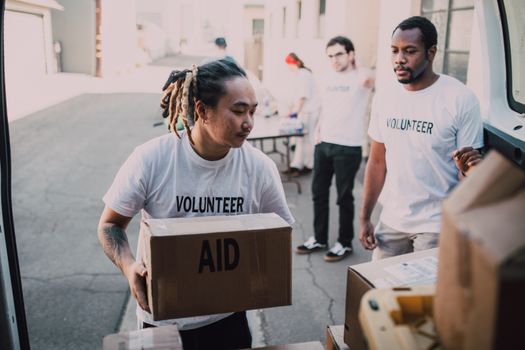 Photo: RDNE Stock project / Pexels
Beyond the foundational policies, many nonprofits require specialized insurance coverages to address risks inherent to their unique operations and services. The diverse landscape of the nonprofit sector means that a one-size-fits-all approach to insurance is rarely sufficient. Tailoring your nonprofit insurance requirements USA involves a careful assessment of your specific activities, beneficiaries, and the potential liabilities that arise from them. Ignoring these specialized needs can leave significant gaps in your risk management strategy, exposing your organization to potentially catastrophic financial and reputational damage.
One critical area for many nonprofits is **Professional Liability Insurance**, also known as Errors and Omissions (E&O) insurance. If your organization provides professional services, advice, or counseling, this coverage is indispensable. Think of a counseling service, a legal aid clinic, an educational program, or even an animal shelter offering adoption advice. E&O insurance protects against claims of negligence, errors, or omissions in the professional services rendered. For example, if a client alleges that your counselors provided incorrect advice leading to harm, or that your educational program failed to deliver promised outcomes, Professional Liability insurance would cover legal defense costs and any resulting judgments or settlements. This is distinct from General Liability, which covers physical injury or property damage, focusing instead on financial losses stemming from professional services.
For nonprofits that engage with children or vulnerable populations, **Abuse and Molestation Coverage** is a paramount concern. While it's a difficult topic to address, the reality is that organizations working with these groups face a heightened risk of claims related to abuse or molestation by staff, volunteers, or even other beneficiaries. This specialized coverage helps protect the organization from the significant legal and financial consequences of such allegations, including defense costs and settlement payments. Many standard general liability policies explicitly exclude these types of claims, making a standalone or endorsement policy absolutely essential. Demonstrating this coverage also signals to your community and funders a commitment to safeguarding the populations you serve.
Nonprofits often rely heavily on volunteers, and while their dedication is invaluable, they also introduce unique risks. **Volunteer Accident Insurance** and **Volunteer Liability Insurance** are crucial additions. Volunteer Accident Insurance provides coverage for medical expenses if a volunteer is injured while performing duties for your organization, similar to workers' compensation but for unpaid individuals. Volunteer Liability Insurance, on the other hand, protects the volunteer from claims of negligence while acting on behalf of the nonprofit. While some general liability policies may extend limited coverage to volunteers, dedicated policies offer more comprehensive protection and peace of mind for those who generously donate their time. This is a key component of a comprehensive risk management strategy for any volunteer-driven organization.
Finally, as nonprofits increasingly rely on digital infrastructure for communication, fundraising, and data management, **Cyber Liability Insurance** has become a critical component of nonprofit insurance requirements USA. Data breaches, cyberattacks, and ransomware incidents are not exclusive to for-profit companies. Nonprofits often hold sensitive donor information, beneficiary data, and financial records, making them attractive targets for cybercriminals. Cyber liability insurance covers costs associated with data breaches, such as forensic investigations, notification costs, credit monitoring for affected individuals, public relations expenses, and legal defense if a lawsuit arises from a breach. Without this coverage, a significant cyber incident could cripple a nonprofit's operations, erode public trust, and lead to substantial financial losses. Each of these specialized policies addresses a specific vulnerability, and a thorough risk assessment is necessary to determine which ones are essential for your nonprofit's continued operation and success.
Compliance and Best Practices: Meeting Nonprofit Insurance Requirements USA
 Photo: Kindel Media / Pexels
Meeting nonprofit insurance requirements USA extends beyond simply purchasing policies; it involves a continuous commitment to compliance, proactive risk management, and strategic policy review. The regulatory landscape for nonprofits is dynamic, with federal, state, and even local mandates influencing insurance needs. A lapse in understanding or adhering to these requirements can lead to severe penalties, loss of tax-exempt status, and irreversible damage to your organization's reputation and financial stability. Therefore, embracing best practices in insurance management is as crucial as the coverage itself.
One of the most critical aspects of compliance is understanding **state-specific mandates**. As previously mentioned, workers' compensation laws vary significantly by state, including thresholds for the number of employees and definitions of who qualifies as an employee versus an independent contractor or volunteer. Some states may also have specific requirements for certain types of activities, such as operating vehicles for transportation (requiring commercial auto insurance) or hosting large public events (which might necessitate higher liability limits or specific event insurance). It's imperative for nonprofits operating in multiple states to be aware of and comply with the regulations in each jurisdiction. Consulting with a local insurance broker or legal counsel specializing in nonprofit law can provide invaluable guidance in navigating these complex, localized requirements. Staying informed about changes in state laws is an ongoing responsibility that should be integrated into your governance structure.
**Risk assessment and management** are the cornerstones of effective insurance planning. Before even approaching an insurance broker, your nonprofit should undertake a thorough evaluation of all potential risks. This process involves identifying potential threats (e.g., natural disasters, financial fraud, volunteer misconduct), assessing their likelihood and potential impact, and then developing strategies to mitigate or transfer those risks. Insurance is a form of risk transfer. A comprehensive risk assessment might reveal needs for specific coverages like special event insurance, equipment breakdown insurance, or even kidnap and ransom insurance for organizations operating internationally. Regularly updated risk assessments ensure that your insurance portfolio remains aligned with your operational realities. This proactive approach not only helps in determining appropriate coverage but also demonstrates due diligence to potential funders, donors, and regulatory bodies.
Another best practice is to **work with an experienced insurance broker specializing in nonprofits**. The nuances of nonprofit operations – from volunteer liability to fundraising events and board governance – are often misunderstood by generalist insurance agents. A broker with expertise in the nonprofit sector can help identify unique risks, navigate complex policy language, and secure competitive rates for tailored coverage. They can also provide guidance on emerging risks, such as cyber threats or changes in regulatory compliance. Building a long-term relationship with such a broker ensures that your nonprofit receives ongoing support and advice as its needs evolve. This partnership is vital for ensuring that your nonprofit insurance requirements USA are not just met, but optimized for maximum protection and efficiency.
Finally, **regular policy review and adjustment** are non-negotiable. A nonprofit's activities, assets, and personnel can change rapidly. An annual review of all insurance policies with your broker is essential to ensure that coverage remains adequate and cost-effective. Have you expanded your programs? Acquired new property? Increased your number of employees or volunteers? Changed your fundraising strategies? Each of these shifts can impact your insurance needs. Failing to update policies can lead to being underinsured, leaving critical gaps, or overpaying for coverage you no longer need. This proactive approach to managing your insurance portfolio is a fundamental aspect of good governance and financial stewardship, ensuring your organization's resilience and capacity to pursue its mission without undue risk. For further guidance on maintaining compliance, consider resources on
nonprofit legal obligations.
Common Mistakes and Essential Tips for Nonprofit Insurance
 Photo: cottonbro studio / Pexels
Navigating the complexities of nonprofit insurance requirements USA can be daunting, and it's easy for organizations to fall into common pitfalls. Avoiding these mistakes and adopting essential tips can significantly strengthen your nonprofit's risk management framework and ensure its long-term viability.
**Common Mistakes to Avoid:**
* **Underestimating Volunteer Risk:** Many nonprofits assume volunteers are covered under general liability or that their personal insurance will suffice. This is a dangerous assumption. Without specific Volunteer Accident and Volunteer Liability insurance, your organization could be directly liable for injuries to or caused by volunteers.
* **Ignoring D&O Coverage:** Believing that board members are immune from personal liability because they are volunteers is a critical error. D&O claims are common in the nonprofit sector, and lacking this coverage puts your board members' personal assets at risk, making it difficult to attract and retain talented individuals.
* **Failing to Update Policies:** Insurance needs are not static. A common mistake is purchasing policies and then forgetting about them. As your nonprofit grows, expands programs, or acquires new assets, your insurance must evolve with it. An outdated policy can leave significant gaps.
* **Assuming All Risks are Covered by General Liability:** General Liability is foundational but has limitations. It typically won't cover professional errors, cyber-attacks, or employee-related claims. Relying solely on General Liability leaves your nonprofit exposed to many specialized risks.
* **Shopping Solely on Price:** While cost is a factor, choosing the cheapest policy without understanding its coverage limitations is a false economy. Inadequate coverage can lead to much higher costs in the event of a claim.
**Essential Tips for Success:**
* **Conduct a Comprehensive Risk Assessment Annually:** Systematically identify all potential risks your nonprofit faces, from operational and financial to reputational and strategic. This forms the basis for your insurance strategy.
* **Engage a Nonprofit-Specialized Broker:** These brokers understand the unique exposures of nonprofits and can tailor policies, ensuring you have adequate coverage without overpaying.
* **Educate Your Board and Staff:** Ensure everyone, especially board members and program managers, understands the importance of insurance and their role in risk mitigation. This fosters a culture of responsibility.
* **Document Everything:** Maintain meticulous records of incidents, training, and policy reviews. Good documentation can be invaluable in defending against claims.
* **Review Contracts Carefully:** Before signing contracts with vendors, partners, or venues, ensure they have adequate insurance and that your organization is listed as an additional insured where appropriate. This transfers some risk away from your nonprofit.
* **Budget for Insurance:** Allocate sufficient funds in your annual budget for comprehensive insurance coverage. Viewing insurance as an investment in your mission, rather than just an expense, is key.
By proactively addressing these areas, your nonprofit can build a resilient foundation against unforeseen challenges, ensuring its mission remains protected and sustainable.