✓ Nonprofit consulting in the US grew by over 5% annually in recent years, reflecting increasing demand.
✓ Strategic planning and fundraising are the top two services sought by US nonprofits.
✓ Consultants often bring specialized expertise in areas like grant writing, board development, and impact measurement.
✓ The average ROI for effective consulting engagements can be significant, leading to increased funding or operational efficiency.
How It Works
1
Initial Needs Assessment
A consultant begins by thoroughly understanding your organization's mission, current challenges, and long-term aspirations. This diagnostic phase identifies key areas for intervention and improvement.
2
Custom Strategy Development
Based on the assessment, a tailored strategic plan is crafted, outlining specific goals, actionable steps, and measurable outcomes. This blueprint aligns with your unique organizational context and objectives.
3
Implementation & Support
Consultants guide your team through the execution of the strategy, providing hands-on support, training, and resources. They ensure effective adoption of new processes and practices.
4
Evaluation & Sustainment
Progress is regularly monitored and evaluated against established metrics, with adjustments made as needed. The focus shifts to building internal capacity for continued success post-engagement.
The Indispensable Role of Nonprofit Consulting Services US
Photo: RDNE Stock project / Pexels
In the dynamic and often challenging landscape of the American nonprofit sector, organizations frequently face complex hurdles that can hinder their mission-driven work. From navigating intricate funding environments and optimizing operational efficiencies to developing robust leadership and measuring true impact, the demands on nonprofit leaders are immense. This is precisely where specialized nonprofit consulting services US become not just beneficial, but often indispensable. These services provide external, objective expertise that an in-house team might lack due to bandwidth constraints, specific skill gaps, or a need for fresh perspectives.
Nonprofit consulting firms in the US are comprised of seasoned professionals who bring a wealth of experience across various sub-sectors, whether it's environmental conservation, social justice, education, arts and culture, or healthcare. Their value proposition lies in their ability to diagnose systemic issues, develop strategic solutions, and facilitate organizational change that leads to sustainable growth and amplified impact. For instance, a small, growing nonprofit might struggle with developing a diversified funding strategy beyond annual appeals. A consultant specializing in fundraising can identify new grant opportunities, help craft compelling proposals, or even design a major donor cultivation program, thereby dramatically increasing the organization's financial stability and reach. Similarly, an established organization looking to scale its programs might need assistance with organizational restructuring, board development, or leadership coaching to ensure its internal mechanisms can support expanded operations.
Beyond just providing advice, these consultants often act as temporary, high-level staff, filling critical gaps during periods of transition, growth, or crisis. They can lead strategic planning sessions, conduct comprehensive program evaluations, or even guide mergers and acquisitions within the sector. The ultimate goal is to empower nonprofits to achieve their mission more effectively and efficiently, ensuring that every dollar raised and every hour volunteered translates into maximum positive change for the communities they serve. Engaging with a consultant allows nonprofit leaders to step back from day-to-day operations and focus on the bigger picture, knowing that expert guidance is in place to navigate the complexities of organizational development and external relations. This partnership fosters resilience, innovation, and long-term viability, crucial elements for any nonprofit striving to make a significant difference in the US.
Key Areas Where Nonprofit Consulting Drives Impact
Photo: RDNE Stock project / Pexels
Nonprofit consulting services in the US span a wide array of specialized areas, each designed to address specific organizational needs and enhance overall effectiveness. Understanding these key areas is crucial for nonprofits seeking targeted support. One primary domain is **Strategic Planning**. This involves working with leadership to define or refine the organization's vision, mission, and long-term goals, and then developing a clear roadmap to achieve them. A consultant facilitates stakeholder engagement, analyzes market trends, assesses internal capacities, and helps craft measurable objectives, ensuring the strategic plan is not just a document but a living guide for decision-making and resource allocation. Without a clear strategy, nonprofits can drift, losing focus and diluting their impact. A well-executed strategic planning process, guided by an experienced consultant, provides clarity, alignment, and a renewed sense of purpose.
Another critical area is **Fundraising and Development**. Many nonprofits, regardless of their mission, face perpetual challenges in securing adequate and sustainable funding. Consulting in this area can include developing comprehensive fundraising strategies, identifying diverse revenue streams (grants, individual giving, corporate sponsorships, planned giving), enhancing grant writing skills, cultivating major donors, and even launching capital campaigns. Consultants bring best practices in donor relations, data management, and persuasive communication, helping organizations tell their story more effectively to potential funders. Their expertise can significantly boost an organization's financial health, moving them from reactive fundraising to proactive and strategic development.
**Organizational Development and Capacity Building** is another vital component. This encompasses a broad range of services aimed at strengthening the internal structures and capabilities of a nonprofit. This can involve board development and governance training, leadership coaching for executive staff, volunteer management systems, human resources optimization, and fostering a healthy organizational culture. A consultant might help define roles and responsibilities, implement effective performance management systems, or design training programs that enhance staff skills. By building stronger internal foundations, nonprofits become more resilient, adaptable, and efficient in delivering their programs and services.
Finally, **Program Evaluation and Impact Measurement** is increasingly important. Funders and stakeholders demand evidence of impact, but many nonprofits lack the internal expertise or resources to robustly measure their effectiveness. Consultants can design evaluation frameworks, collect and analyze data, and help organizations articulate their impact in a compelling and credible way. This not only satisfies reporting requirements but also provides valuable insights for program improvement and strategic decision-making. By demonstrating tangible results, nonprofits can attract more funding, build greater trust, and ultimately, amplify their positive change in society. Each of these areas, when addressed strategically by expert nonprofit consulting services US, contributes to a more robust, effective, and impactful nonprofit sector.
Choosing the Right Nonprofit Consulting Services US: A Strategic Approach
Photo: RDNE Stock project / Pexels
Selecting the appropriate nonprofit consulting services in the US is a crucial decision that can significantly influence your organization's trajectory. It’s not merely about finding a consultant, but rather identifying a strategic partner whose expertise, values, and approach align perfectly with your specific needs and organizational culture. The first step in this process involves a thorough internal assessment. Before even looking externally, your organization should clearly define the problem you are trying to solve or the opportunity you wish to seize. Are you struggling with fundraising diversification? Is your board in need of governance training? Do you require a new strategic plan, or are you facing significant operational inefficiencies? Articulating these needs with precision will help you narrow down the field of potential consultants.
Once your needs are clear, begin researching consulting firms or independent consultants specializing in those areas. Look for those with a proven track record of success within the nonprofit sector, specifically with organizations similar in size, mission, or geographic scope to yours. Review case studies, testimonials, and client lists. Don't hesitate to ask for references and follow up on them. A good consultant will have clients willing to speak positively about their experience and the tangible results achieved. Consider the consultant's approach to engagement: do they offer a collaborative process, or are they more prescriptive? The most effective consulting relationships are partnerships where the consultant empowers the internal team rather than simply dictating solutions.
Another vital aspect is understanding the consultant's fee structure and ensuring it aligns with your budget. Some consultants charge by the hour, others by project, and some offer retainer models. Be transparent about your financial constraints and seek proposals that clearly itemize costs and deliverables. It's also important to consider the chemistry and communication style. You will be working closely with this individual or team, so a good working relationship built on trust and mutual respect is paramount. During initial interviews, assess their ability to listen, their understanding of your organization's unique context, and their proposed methodology. A consultant who offers generic solutions without deeply understanding your specific challenges is likely not the right fit. Furthermore, ensure they demonstrate a commitment to knowledge transfer, meaning they will leave your team with enhanced skills and sustainable solutions, not just temporary fixes. This focus on long-term capacity building is a hallmark of truly valuable nonprofit capacity building and consulting. By taking a strategic and diligent approach to selection, you can ensure your investment in nonprofit consulting services US yields maximum returns for your mission and the communities you serve.
Common Mistakes to Avoid When Engaging Nonprofit Consulting Services
Photo: Max Fischer / Pexels
While nonprofit consulting services offer immense value, certain pitfalls can diminish their effectiveness if not carefully navigated. Avoiding these common mistakes will ensure a more productive and impactful engagement:
* **Lack of Clear Objectives:** One of the most significant errors is initiating a consulting project without clearly defined goals and expected outcomes. Without a precise understanding of what success looks like, the project can lack direction, leading to scope creep, budget overruns, and ultimately, dissatisfaction. Before engaging, articulate specific, measurable, achievable, relevant, and time-bound (SMART) objectives for the consultant to address.
* **Insufficient Internal Buy-in:** For consulting recommendations to be successfully implemented, there must be strong buy-in from staff, board members, and key stakeholders. If the internal team feels the consultant's work is being imposed upon them, resistance can undermine even the best strategies. Involve key personnel from the outset, foster open communication, and ensure they understand the value and necessity of the consulting engagement.
* **Unrealistic Expectations:** Consultants are experts, but they are not magicians. Expecting immediate, transformative results without corresponding internal effort or resource allocation is unrealistic. Sustainable change takes time and commitment. Be realistic about timelines, the effort required from your team, and the potential scope of change a consultant can facilitate.
* **Ignoring Consultant Recommendations:** It might seem counterintuitive to hire a consultant and then disregard their advice, but it happens. Organizations sometimes seek external validation for pre-existing ideas or are unwilling to make the difficult changes identified by the consultant. The value of consulting lies in its objective, expert perspective; be prepared to seriously consider and act upon their professional recommendations, even if they challenge the status quo.
* **Failure to Allocate Internal Resources:** A consulting engagement is not a set-it-and-forget-it solution. Your team will need to dedicate time and resources to collaborate with the consultant, provide necessary information, and implement recommendations. Underestimating the internal time commitment can bottleneck progress and lead to frustration for both parties.
* **Poor Communication:** Effective communication is the bedrock of any successful partnership. Establish clear communication channels, regular check-ins, and feedback loops with your consultant. Proactive communication helps address issues promptly, keeps the project on track, and ensures alignment between the consultant's work and your organization's evolving needs.
* **Not Planning for Post-Engagement Sustainability:** A good consultant empowers your organization to continue thriving after their departure. A mistake is not planning for how the knowledge, systems, and strategies introduced will be sustained internally. Discuss knowledge transfer, training, and ongoing support mechanisms as part of the consulting agreement to ensure long-term impact.
Comparison
Feature
Strategic Planning Consultant
Fundraising Consultant
Operational Efficiency Consultant
Generalist Nonprofit Consultant
Primary Focus
Long-term vision & roadmap
Revenue generation & donor relations
Process optimization & cost savings
Broad organizational support
Key Deliverables
Strategic plan, SWOT analysis
Fundraising plan, grant proposals, donor appeals
Process maps, cost-benefit analysis
Needs assessment, various recommendations
Best For
Defining future direction
Boosting financial stability
Streamlining internal operations
Organizations with diverse or undefined needs
Expertise Level
High-level strategy
Donor cultivation, grant writing
Lean management, systems analysis
Varied, depends on individual
Typical Engagement Length
3-6 months
6-12 months (or ongoing)
2-5 months
Flexible, project-based
What Our Readers Say
5★★★★★
"Engaging their nonprofit consulting services in the US was a game-changer for our small arts organization. Their strategic planning process was incredibly thorough, helping us articulate a clear vision for the next five years. We now have a solid roadmap and renewed board engagement."
Sarah ChenBoston, MA
5★★★★★
"The fundraising consulting we received significantly boosted our annual campaign results. They helped us identify new donor segments and crafted compelling appeals that resonated deeply with our community. Our revenue increased by 30% in just one year."
David RamirezAustin, TX
5★★★★★
"Our operational inefficiencies were crippling us. This firm's nonprofit consulting services in the US helped us streamline our volunteer management system, saving us countless staff hours and improving volunteer retention by 25%. Their expertise led to concrete, measurable improvements."
Maria LopezChicago, IL
4★★★★☆
"While the initial strategic recommendations were excellent, the implementation phase required more internal resources than we initially anticipated. However, the consultant was highly responsive to our feedback and provided additional training that proved invaluable."
John SmithDenver, CO
5★★★★★
"As a new executive director, navigating the complexities of nonprofit governance was daunting. Their board development workshops were essential, empowering our board members and fostering a stronger, more cohesive leadership team. Highly recommend their nonprofit consulting services US for leadership support."
Emily WhiteSan Francisco, CA
Frequently Asked Questions
What specifically do nonprofit consulting services in the US offer?
Nonprofit consulting services in the US offer a broad range of specialized expertise, including strategic planning, fundraising and development, board governance, organizational development, program evaluation, marketing and communications, and financial management. They provide objective insights and tailored strategies to help nonprofits overcome challenges and achieve their mission more effectively.
Is hiring a nonprofit consultant a cost-effective solution for small organizations?
Yes, it can be highly cost-effective, especially for small organizations. While there's an upfront investment, consultants can help identify efficiencies, secure new funding streams, and prevent costly mistakes, often leading to a significant return on investment. They bring specialized skills that might be too expensive to hire as full-time staff.
How do I choose the right nonprofit consulting firm for my organization?
Begin by clearly defining your organization's specific needs and objectives. Then, research firms with expertise in those areas, checking their track record, client testimonials, and approach. Look for a consultant whose values align with yours and who demonstrates a collaborative, empowering methodology. Request proposals and conduct thorough interviews.
What is the typical cost structure for nonprofit consulting services?
The cost structure varies widely based on the consultant's experience, project scope, and duration. It can range from hourly rates to fixed project fees or monthly retainers. Some consultants offer sliding scales or pro bono services for very small or new nonprofits. Always get a detailed proposal outlining all costs and deliverables.
How do nonprofit consulting services differ from general business consulting?
Nonprofit consulting services are specifically tailored to the unique operational, financial, and regulatory environment of mission-driven organizations. Consultants understand the nuances of board governance, donor relations, volunteer engagement, grant compliance, and impact measurement, which are distinct from for-profit business models. Their advice is grounded in the nonprofit ethos.
Who should consider using nonprofit consulting services US?
Any nonprofit organization in the US facing significant challenges, seeking to scale its impact, undergoing a leadership transition, needing to diversify funding, or looking to improve operational efficiency can benefit. Both small, emerging nonprofits and large, established institutions can leverage external expertise to achieve their goals more effectively.
What are the risks associated with hiring a nonprofit consultant?
Risks include hiring a consultant who doesn't understand your specific needs, lack of internal buy-in for recommended changes, or mismanaging the engagement itself. Mitigate these by conducting thorough due diligence, clearly defining scope and expectations, and ensuring strong internal communication and commitment to the project.
What future trends are impacting nonprofit consulting services in the US?
Future trends include increased demand for digital transformation expertise, data analytics for impact measurement, diversity, equity, and inclusion (DEI) strategy, remote work infrastructure, and resilience planning. Consultants are adapting to help nonprofits navigate these evolving challenges and opportunities in a rapidly changing world.
Ready to amplify your mission and achieve sustainable growth? Explore how specialized nonprofit consulting services in the US can provide the strategic direction and practical support your organization needs to thrive. Partner with experts dedicated to your success and make a lasting difference.

 Photo: Mikhail Nilov / Pexels
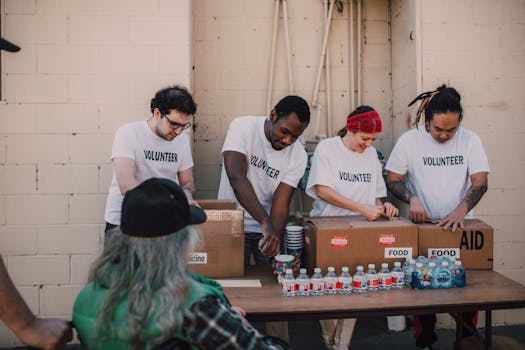 Photo: RDNE Stock project / Pexels
 Photo: RDNE Stock project / Pexels
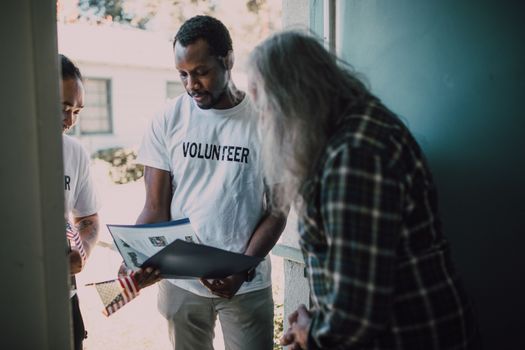 Photo: RDNE Stock project / Pexels
 Photo: Max Fischer / Pexels