
How to Write a Grant Proposal for Nonprofits: The Ultimate Guide
Unlock the secrets to successful grant writing and secure the funding your nonprofit needs to thrive and impact communities.
Start Your Proposal NowKey Takeaways
- ✓ Grant funding is a critical revenue stream for most nonprofits, often complementing individual donations and earned income.
- ✓ A well-researched and compelling grant proposal is essential for demonstrating your organization's impact and need.
- ✓ Grant writing is a strategic process that requires clarity, precision, and alignment with funder priorities.
- ✓ Funder relationships and meticulous follow-up are as important as the proposal itself for long-term success.
How It Works
Thoroughly investigate potential grantmakers whose mission and funding priorities align perfectly with your nonprofit's goals. This initial step is crucial for targeted applications.
Develop a clear structure for your grant proposal, ensuring all required sections are included and logically organized. A strong outline saves time and prevents omissions.
Write compelling narratives for each section, focusing on impact, need, and measurable outcomes. Continuously refine the language for clarity, conciseness, and persuasive power.
Conduct multiple rounds of review, checking for errors, consistency, and adherence to all funder guidelines. Submit your polished proposal well before the deadline.
Understanding the Foundation of Grant Writing for Nonprofits
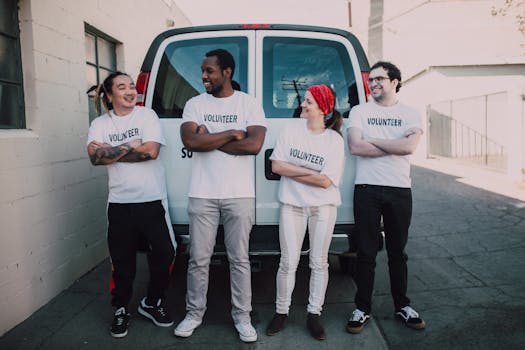 Photo: RDNE Stock project / Pexels
Crafting the Compelling Narrative: Key Sections of a Grant Proposal
Mastering the Art of Persuasion: Writing, Review, and Submission Strategies
Common Mistakes to Avoid and Best Practices for Grant Success
- Lack of Specificity: Vague goals, objectives, or activities make it difficult for funders to understand your impact. Be concrete and provide measurable outcomes.
- Underestimating the Need for Data: Claims of need or impact without supporting data (statistics, research, testimonials) are unconvincing.
- Incomplete or Incorrect Budget: A budget that doesn't align with the narrative, is unrealistic, or contains errors can be an immediate red flag.
- Ignoring Funder Guidelines: Not adhering to page limits, formatting, or attachment requirements shows a lack of respect for the funder's process.
- Last-Minute Submission: Rushing the submission process increases the likelihood of errors and technical issues.
Comparison
| Proposal Element | Best Practice Approach | Common Mistake | Impact on Funder |
|---|---|---|---|
| Funder Research | Deep alignment with mission/priorities | Generic, scattergun approach | Perceived as opportunistic, low fit |
| Executive Summary | Compelling, 1-page overview of entire project | Too long, vague, or missing key details | Fails to capture interest, unclear purpose |
| Statement of Need | Data-driven with compelling anecdotes | Emotional appeals without evidence | Lacks credibility, unconvincing |
| Project Budget | Detailed, justified, aligns with narrative | Vague line items, unrealistic figures | Raises financial management concerns |
What Readers Say
"This guide on how to write a grant proposal for nonprofits was a game-changer for our small arts organization. The breakdown of each section made the intimidating process feel manageable, and we secured our first major grant!"
Sarah Chen · Austin, TX"I've been in nonprofit management for years, but this article's focus on funder alignment truly refined my approach to how to write a grant proposal for nonprofits. It's incredibly comprehensive and practical."
David Ramirez · Miami, FL"Following the review strategies from this guide, we caught several critical errors in our grant proposal. The result? A successful application that brought in $50,000 for our youth mentorship program."
Maria Rodriguez · Denver, CO"The information on how to write a grant proposal for nonprofits is excellent, especially the emphasis on storytelling. I would have appreciated a few more examples of specific budget line items, but overall, highly valuable."
James O'Connell · Seattle, WA"As a new grant writer, I felt overwhelmed. This guide systematically walked me through how to write a grant proposal for nonprofits, from research to submission, and boosted my confidence immensely. Truly a premium resource."
Emily Watson · Chicago, ILFrequently Asked Questions
What is the most crucial part of how to write a grant proposal for nonprofits?
The Executive Summary is arguably the most crucial part, as it's often the first and sometimes only section a busy funder reviews in detail. It must concisely and compellingly summarize your entire proposal, capturing the funder's interest and making them want to learn more about your project and organization.
Is it worth paying for a professional grant writer?
For many nonprofits, especially those new to grant seeking or with limited internal capacity, hiring a professional grant writer can be a worthwhile investment. They bring expertise, efficiency, and a higher likelihood of success. However, ensure their fees are ethical (not commission-based) and that they work closely with your team to accurately represent your mission.
How do I find funders that are a good fit for my nonprofit?
Start by utilizing online databases like Foundation Directory Online (FDO) or GrantStation, researching local community foundations, and exploring government grant websites. Look for funders whose mission, geographic focus, and past giving align with your organization's goals and the specific project you need funded. Networking with other nonprofits can also reveal suitable opportunities.
What's a typical success rate for nonprofit grant proposals?
Grant success rates vary widely, often ranging from 10% to 30%, though some highly competitive grants can have much lower rates. Factors like funder alignment, proposal quality, organizational capacity, and funder relationships significantly influence success. It's a numbers game, but a highly strategic approach improves your odds considerably.
How does a grant proposal differ from a general fundraising appeal?
A grant proposal is a formal, highly structured document tailored to a specific funder, detailing a specific project or program, its budget, and measurable outcomes. A general fundraising appeal is typically broader, aimed at individual donors, and often focuses more on emotional connection and overall organizational need rather than project specifics.
Who should be involved in writing a grant proposal for a nonprofit?
A collaborative approach is best. Key individuals should include a lead grant writer (internal or external), program managers (to provide project details and data), finance staff (for budget accuracy), and executive leadership or board members (for strategic oversight and approval). This ensures accuracy, completeness, and strategic alignment.
What if my nonprofit doesn't have much data to support its claims?
If robust data is lacking, start collecting it immediately! Implement simple tracking systems for program participants, outcomes, and impact. In the short term, use anecdotal evidence, testimonials, and publicly available data (e.g., census data, local statistics) to illustrate the need. Emphasize your commitment to evaluation and data collection in your proposal.
What are the emerging trends in nonprofit grant funding?
Emerging trends include an increased focus on equity and social justice, unrestricted general operating support, collaborative funding models, impact investing, and data-driven accountability. Funders are also increasingly interested in organizations demonstrating adaptability, resilience, and a commitment to long-term systemic change.
Mastering how to write a grant proposal for nonprofits is an invaluable skill that directly impacts your organization's ability to fulfill its mission. By meticulously researching funders, crafting compelling narratives, and adhering to best practices, you can significantly increase your chances of securing the vital funding needed to create lasting positive change. Start applying these strategies today and empower your nonprofit to thrive.