✓ Strategic ad spend can significantly increase a nonprofit's reach and impact, attracting new donors and volunteers.
✓ Google Ad Grants offer up to $10,000/month in free advertising for eligible 501(c)(3) organizations.
✓ Understanding your target audience is crucial for effective ad targeting and minimizing wasted spend.
✓ Tracking key performance indicators (KPIs) like Cost Per Acquisition (CPA) and Return on Ad Spend (ROAS) is essential for optimizing campaigns.
How It Works
1
Define Your Campaign Goals
Clearly articulate what you want your ad campaigns to achieve, whether it's increasing donations, volunteer sign-ups, or event registrations. Specific, measurable goals are the foundation for success.
2
Identify Your Target Audience
Understand who you want to reach with your message. Develop donor personas that include demographics, interests, and motivations to tailor your ad creative and targeting effectively.
3
Allocate Your Budget Wisely
Determine how much you can realistically spend and where. Prioritize platforms and ad types that align with your goals and audience, considering both paid and grant opportunities.
4
Monitor, Analyze, and Optimize
Launch your campaigns and continuously track their performance using analytics tools. Use the data to make informed adjustments, improving efficiency and maximizing your impact over time.
Understanding the Fundamentals of Nonprofit Ad Spend
Photo: Gustavo Fring / Pexels
For many nonprofits, the idea of allocating precious resources to advertising can feel daunting, even counterintuitive. Every dollar spent on ads is a dollar not directly going to programs, right? This common misconception often prevents organizations from harnessing a powerful tool for growth and impact. In reality, strategic ad spend isn't about diverting funds; it's about amplifying them. It's an investment in reaching more people, securing more donations, and ultimately, delivering on your mission more effectively. Think of it as a megaphone for your cause, allowing your message to cut through the noise and resonate with those who care most. This beginner's guide to ad spend will demystify the process, offering a clear roadmap for nonprofits looking to make their advertising dollars work harder. We'll explore why advertising is not just a 'nice-to-have' but a vital component of a robust fundraising and outreach strategy in today's digital landscape. Without a thoughtful approach to promoting your work, even the most impactful programs can struggle to gain traction and support. The digital realm has democratized advertising, making it accessible even for organizations with limited budgets. Platforms like Google, Facebook, and Instagram offer sophisticated targeting capabilities that allow you to reach highly specific audiences who are most likely to connect with your cause. This precision minimizes waste and maximizes the return on your investment, ensuring that your message reaches the right eyes and ears at the right time. Furthermore, understanding the various types of advertising available—from search engine marketing to social media ads and display advertising—is crucial. Each channel offers unique advantages and caters to different stages of the donor journey. For instance, search ads can capture individuals actively looking for ways to support causes like yours, while social media ads can introduce your mission to new audiences who share similar values or interests. The goal isn't just to spend money, but to spend it intelligently, measuring every step of the way. Effective fundraising strategies increasingly rely on a multi-channel approach where digital advertising plays a central role. This foundational understanding sets the stage for building campaigns that are not only cost-effective but also deeply impactful, helping your nonprofit achieve its goals and expand its reach like never before. Embracing ad spend as a strategic asset, rather than a necessary evil, is the first step towards unlocking its full potential.
Leveraging Google Ad Grants for Maximum Impact
Photo: Bastian Riccardi / Pexels
One of the most significant opportunities for nonprofits in the advertising space comes in the form of Google Ad Grants. This incredible program provides eligible 501(c)(3) organizations with up to $10,000 in in-kind advertising every month to promote their missions on Google Search. For many, this grant is a game-changer, offering a pathway to reach vast audiences without directly impacting their operational budget. However, navigating the Ad Grants program and maximizing its potential requires a strategic approach. It's not simply free money to throw at random keywords; it's a powerful tool that, when wielded correctly, can drive significant traffic, increase donations, and recruit volunteers. The first step is understanding eligibility and the application process. Your organization must hold valid 501(c)(3) status, have a high-quality website, and agree to Google's strict program policies. Once approved, the real work begins: setting up and managing your campaigns. Unlike paid Google Ads accounts, Ad Grants accounts have certain limitations, such as a maximum bid of $2.00 per keyword (though smart bidding strategies can sometimes bypass this) and only appearing on Google search results pages. This means keyword research and ad copy optimization are paramount to stand out and attract clicks. Focusing on highly relevant, long-tail keywords that align directly with your nonprofit's services and mission is key. For example, instead of broadly targeting "charity," a food bank might target "donate food near me" or "volunteer at food pantry." Crafting compelling ad copy that clearly communicates your value proposition and includes a strong call to action is equally important. Remember, you're competing for attention with other organizations and businesses, even with the grant. Tracking performance is non-negotiable. Google Analytics should be seamlessly integrated with your Ad Grants account to monitor website traffic, conversions (like donations, sign-ups, or downloads), and user behavior. This data allows you to identify which keywords and ads are performing best, enabling you to refine your strategy continually. Regular optimization—pausing underperforming keywords, testing new ad variations, and adjusting bidding strategies—is essential to utilize the full $10,000 grant effectively each month. Many organizations struggle to spend the entire grant, not because there isn't an audience, but because their campaigns aren't optimized for reach and relevance. By mastering Google Ad Grants, nonprofits can dramatically expand their digital footprint, engage a broader audience, and ultimately, advance their mission without dipping into their vital program funds. It’s an opportunity too valuable to overlook and a cornerstone of smart nonprofit ad spend.
Strategic Budgeting and Audience Targeting for Nonprofits
Photo: Julia M Cameron / Pexels
Effective ad spend for nonprofits goes far beyond simply having a budget; it's about strategic allocation and precise audience targeting. Every dollar must be treated as an investment with an expected return, whether that return is a donation, a volunteer hour, or increased awareness. The first step in strategic budgeting is to clearly define your campaign objectives. Are you aiming to raise funds for a specific project, recruit volunteers for an upcoming event, or simply increase overall brand awareness for your cause? Your objectives will dictate where your budget is best spent. For instance, a campaign focused on immediate donations might prioritize search ads and retargeting, while an awareness campaign could leverage social media and display ads. Once objectives are clear, assess your available resources. This includes not just financial capital, but also human capital – who will manage these campaigns? If internal resources are limited, consider investing in training or external expertise. Next, allocate your budget across different platforms and ad types based on your audience's behavior and your campaign goals. Don't put all your eggs in one basket; a diversified approach often yields better results. For example, a portion might go to Google Ad Grants, another to paid social media ads on platforms like Facebook or Instagram where your audience is highly engaged, and perhaps a small amount to display advertising for broad awareness. The power of digital advertising for nonprofits lies in its unparalleled targeting capabilities. Gone are the days of mass-market advertising where you hoped your message reached the right people. Today, you can define your audience with incredible precision. This involves creating detailed donor personas. Think beyond basic demographics: what are their interests, values, pain points, and online behaviors? Are they passionate about environmental causes, animal welfare, or social justice? Do they primarily use Facebook, Instagram, or LinkedIn? What other charities do they support? Utilizing various nonprofit marketing tools can help gather this data. Platforms allow you to target based on demographics (age, gender, location), interests (hobbies, causes they follow), behaviors (online purchases, device usage), and even custom audiences (uploading email lists of existing donors for lookalike targeting). This precision ensures your ads are seen by those most likely to convert, minimizing wasted impressions and maximizing your return on ad spend. Continuously refine your audience targeting based on campaign performance data. If certain demographic segments are not responding, adjust your targeting to focus on those who are. Strategic budgeting combined with intelligent audience targeting transforms ad spend from a cost center into a powerful engine for growth and mission fulfillment.
Common Ad Spend Mistakes and How to Avoid Them
Photo: RDNE Stock project / Pexels
Even with the best intentions, nonprofits can fall into common pitfalls when it comes to ad spend. Avoiding these mistakes is crucial for maximizing your impact and ensuring every dollar contributes to your mission. Here are some of the most frequent errors and practical tips to sidestep them:
* **Lack of Clear Objectives:** One of the most prevalent mistakes is launching campaigns without specific, measurable goals. Without knowing what you want to achieve (e.g., 'increase donations by 15%', 'recruit 50 new volunteers'), it's impossible to measure success or optimize your efforts. **Solution:** Before spending a single cent, define SMART goals (Specific, Measurable, Achievable, Relevant, Time-bound) for each campaign. This provides a benchmark for performance and guides your strategy.
* **Ignoring Data and Analytics:** Many nonprofits launch ads and then neglect to monitor their performance. Data provides invaluable insights into what's working and what isn't. **Solution:** Integrate Google Analytics with all your ad platforms. Regularly review key metrics like click-through rate (CTR), conversion rate, cost per acquisition (CPA), and return on ad spend (ROAS). Use this data to make informed decisions about pausing underperforming ads, adjusting bids, or refining targeting.
* **Broad or Ineffective Targeting:** Wasting impressions on an audience unlikely to engage is a quick way to deplete your budget. Targeting everyone means targeting no one effectively. **Solution:** Invest time in developing detailed donor personas. Use the robust targeting options available on platforms (demographics, interests, behaviors, custom audiences) to reach highly relevant segments. Regularly test and refine your audience segments.
* **Poor Ad Creative and Messaging:** Even with perfect targeting, uninspiring or unclear ad creative will fail to capture attention. Generic messages don't resonate. **Solution:** Craft compelling, emotionally resonant ad copy and visuals that speak directly to your audience's values and highlight the impact of their support. Always include a clear and concise call to action (CTA). A/B test different headlines, images, and CTAs to see what performs best.
* **Neglecting Landing Page Experience:** An ad might pique interest, but if the landing page it directs to is slow, confusing, or not aligned with the ad's message, users will bounce. **Solution:** Ensure your landing pages are mobile-friendly, load quickly, and directly fulfill the promise of your ad. They should have a clear, easy-to-use conversion path (e.g., a simple donation form). A disjointed experience wastes both your ad spend and potential donor interest.
* **Setting and Forgetting:** Ad campaigns are not a 'set it and forget it' endeavor. Markets change, audiences evolve, and ad fatigue sets in. **Solution:** Schedule regular check-ins for all active campaigns. Optimize bids, refresh creative, test new keywords, and adjust targeting as needed. Continuous optimization is key to sustained performance and maximizing your budget's efficiency over time.
Comparison
Feature
Google Ad Grants
Paid Google Ads
Paid Social Media Ads
Display Advertising
Cost
$0 (up to $10k/month)
Variable (pay-per-click)
Variable (pay-per-click)
Variable (CPM/CPC)
Targeting Precision
High (keywords)
Very High (keywords, audience)
Very High (demographics, interests)
Moderate (interests, sites)
Ad Formats
Text Ads
Text, Image, Video, Shopping
Image, Video, Carousel
Image, Video, Rich Media
Primary Goal
Search Visibility, Traffic
Conversions, Traffic
Awareness, Engagement, Conversions
Awareness, Retargeting
Budget Control
Limited (max $2/bid)
Full Control
Full Control
Full Control
Complexity
Moderate
High
Moderate
Moderate
What Readers Say
★★★★★
"This beginner's guide to ad spend completely transformed how our small animal rescue approaches digital marketing. We used to be so hesitant, but now we're confidently running Google Ad Grant campaigns that are bringing in new foster families every month. It's truly empowering!"
Sarah J. · Austin, TX
★★★★★
"As the marketing lead for a human services nonprofit, I found this guide incredibly practical. The breakdown of Google Ad Grants and how to optimize them was exactly what we needed. We've seen a 30% increase in website traffic directly from our grant campaigns since implementing these tips."
Mark D. · Chicago, IL
★★★★★
"We were struggling to spend our Google Ad Grant effectively, often leaving thousands on the table. Following the advice in this beginner's guide to ad spend, we revamped our keyword strategy and landing pages. Last quarter, we spent 90% of our grant and saw a 20% rise in online donations."
Emily R. · Denver, CO
★★★★★
"The guide is very thorough, although some parts about advanced analytics felt a bit overwhelming for a true beginner. However, the sections on audience targeting and common mistakes were exceptionally helpful and gave us a solid foundation to build upon."
David L. · Miami, FL
★★★★★
"Our environmental conservation group always relied on organic reach. This guide convinced us to explore paid social media ads, and the results have been fantastic. We're reaching a younger demographic and seeing great engagement, leading to more event sign-ups than ever before."
Jessica M. · Seattle, WA
Frequently Asked Questions
What is the most common mistake nonprofits make with ad spend?
The most common mistake is not having clear, measurable objectives before launching campaigns, and failing to regularly monitor and optimize performance based on data. Many organizations also make the error of targeting too broadly, wasting valuable impressions on an audience unlikely to convert, or not utilizing the full potential of Google Ad Grants.
Is digital advertising really worth the investment for a nonprofit with a tight budget?
Absolutely. When done strategically, digital advertising for nonprofits is one of the most cost-effective ways to reach a highly targeted audience, increase brand awareness, and drive conversions like donations or volunteer sign-ups. With programs like Google Ad Grants, much of the initial ad spend can even be free, making it an invaluable tool for growth.
How do I apply for Google Ad Grants?
To apply for Google Ad Grants, your nonprofit must be a registered 501(c)(3) organization. First, register with Google for Nonprofits, then apply for an Ad Grants account through their platform. You'll need a high-quality website and agree to their program policies. The process involves several steps, but it's well worth the effort for the monthly ad credit.
How much should a nonprofit allocate to ad spend?
There's no one-size-fits-all answer, as it depends on your goals, capacity, and overall budget. However, a common recommendation is to start small, especially if you're new to it, and scale up as you see positive returns. Many nonprofits leverage Google Ad Grants first, then allocate a portion of their marketing or fundraising budget (e.g., 5-15%) to paid ads for additional reach and flexibility.
How does ad spend for nonprofits differ from for-profit businesses?
While many principles are the same, nonprofit ad spend often focuses more on mission-driven messaging, emotional appeal, and demonstrating impact rather than direct sales. Nonprofits also have unique opportunities like Google Ad Grants and may prioritize metrics like volunteer sign-ups or advocacy actions alongside donations. The ultimate 'return' is often social impact, not just financial profit.
Who within a nonprofit should be responsible for managing ad campaigns?
Ideally, someone with a strong understanding of digital marketing principles and analytics should manage ad campaigns. This could be a dedicated marketing staff member, a volunteer with relevant expertise, or an outsourced agency specializing in nonprofit marketing. It's crucial that whoever is responsible has the time and skills to continuously monitor and optimize campaigns.
What are the risks of poor ad spend management?
The primary risks of poor ad spend management include wasting valuable financial resources on ineffective campaigns, failing to reach your target audience, and missing out on potential donations or volunteer engagement. It can also lead to frustration, burnout, and a missed opportunity to amplify your nonprofit's mission and impact. Proper management ensures every dollar is an investment, not an expense.
What are some future trends in nonprofit ad spend?
Future trends include increased reliance on AI for audience targeting and campaign optimization, the growing importance of video advertising and interactive ad formats, and a greater emphasis on personalized donor journeys. Data privacy regulations will also continue to shape targeting strategies, pushing nonprofits to focus more on first-party data and ethical advertising practices.
Ready to transform your nonprofit's outreach and fundraising? This beginner's guide to ad spend provides the essential knowledge to start. Take the first step today to strategically invest in your mission, reach more supporters, and make a greater impact in your community.

 Photo: Gustavo Fring / Pexels
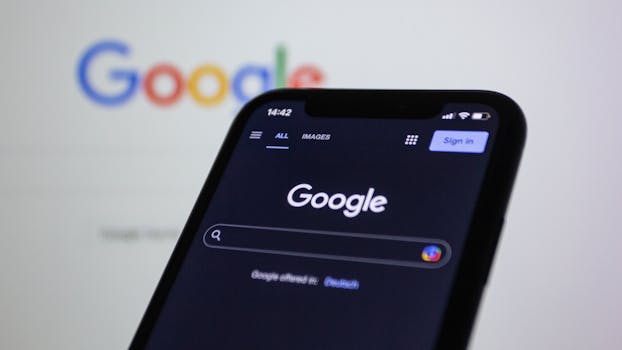 Photo: Bastian Riccardi / Pexels
 Photo: Julia M Cameron / Pexels
 Photo: RDNE Stock project / Pexels